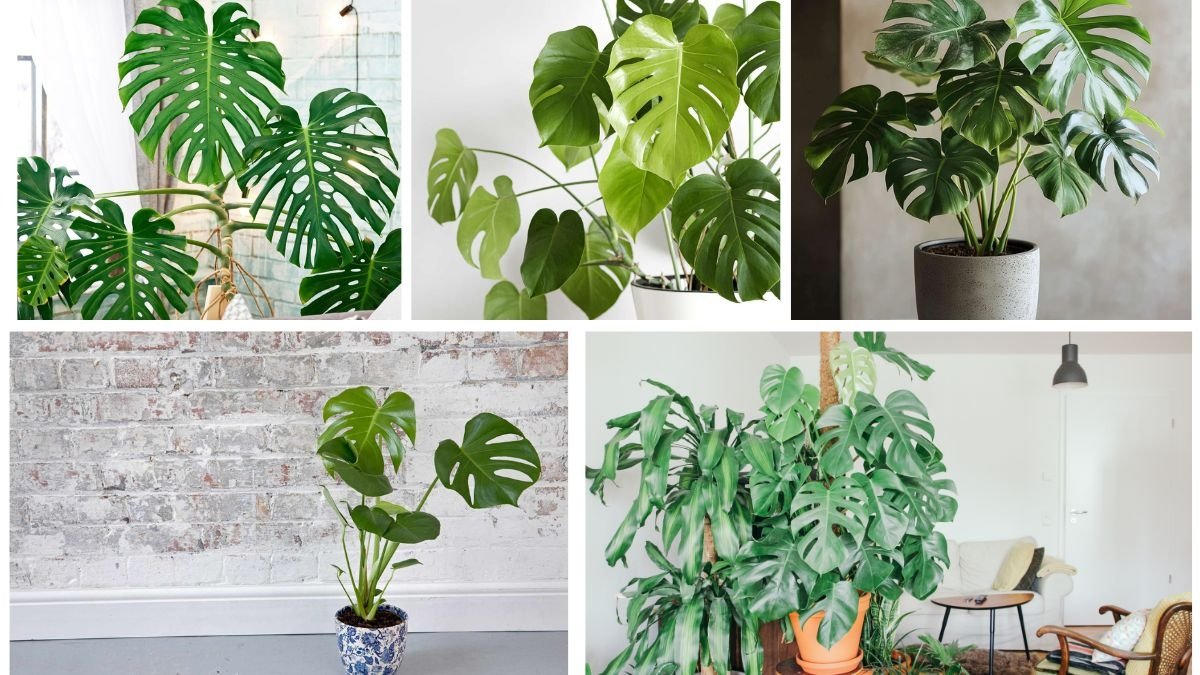
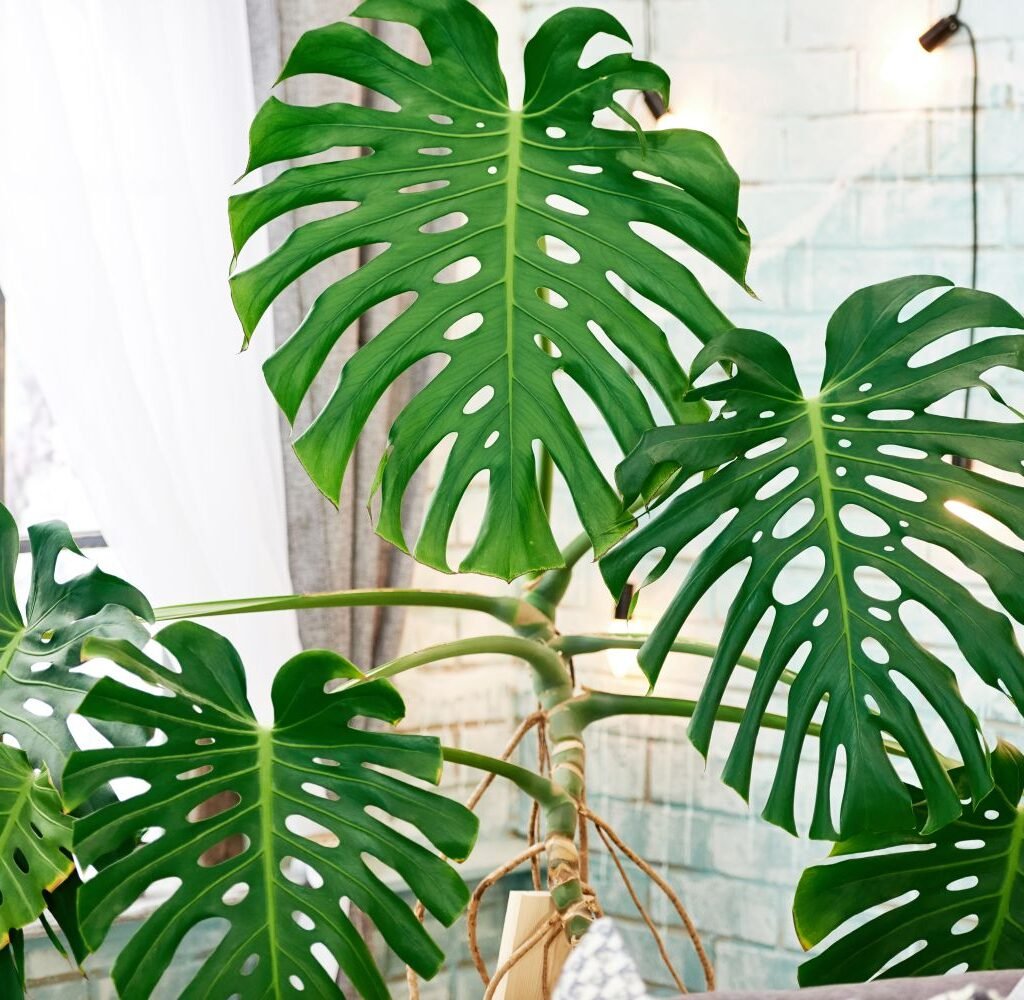
Monstera plants, often called the Swiss Cheese Plant due to their unique split and hole-filled leaves, are among the most popular houseplants worldwide. Their tropical look, fast growth, and easy care make them a perfect choice for both beginners and experienced gardeners. If you’ve recently brought home a Monstera or are considering adding one to your indoor collection, learning how to care for it properly will ensure it thrives for years.
This guide provides step-by-step instructions on indoor Monstera plant care, covering everything from choosing the right spot to watering, feeding, pruning, and troubleshooting common problems.
Why Choose a Monstera Plant?
Before diving into care tips, let’s understand why Monsteras are so beloved:
- Low maintenance: They adapt well to indoor conditions.
- Air-purifying: Monsteras help filter toxins, improving air quality.
- Aesthetic appeal: Their iconic split leaves bring a tropical, stylish vibe.
- Long-lived: With the right care, they can grow for decades.
For beginners, these features make the Monstera a forgiving and rewarding choice.

Choosing the Right Location
Monsteras are tropical plants native to Central and South America, where they thrive under filtered jungle light. Indoors, replicating this environment is key.
- Light: Place your Monstera in bright, indirect light. Direct sunlight can scorch its leaves, while too little light slows growth and reduces leaf splits. A spot near an east- or north-facing window works best.
- Temperature: Keep them in a warm room (65–85°F / 18–29°C). They don’t tolerate frost, so avoid cold drafts from windows or air conditioners.
- Humidity: Monsteras love humidity, ideally 60% or more. If your indoor air is dry, use a humidifier or place a tray of water near the plant.
Tip: If leaves start yellowing or looking droopy, check light and temperature conditions first.
Soil Requirements
The right soil mix is crucial for strong root growth and preventing rot.
- Best mix: A loose, well-draining soil rich in organic matter. A blend of potting soil, peat moss or coco coir, and perlite works perfectly.
- Drainage: Always use pots with drainage holes. Monsteras dislike sitting in water.
This setup mimics their natural jungle environment where roots grow in loose, airy soil.

Watering Your Monstera
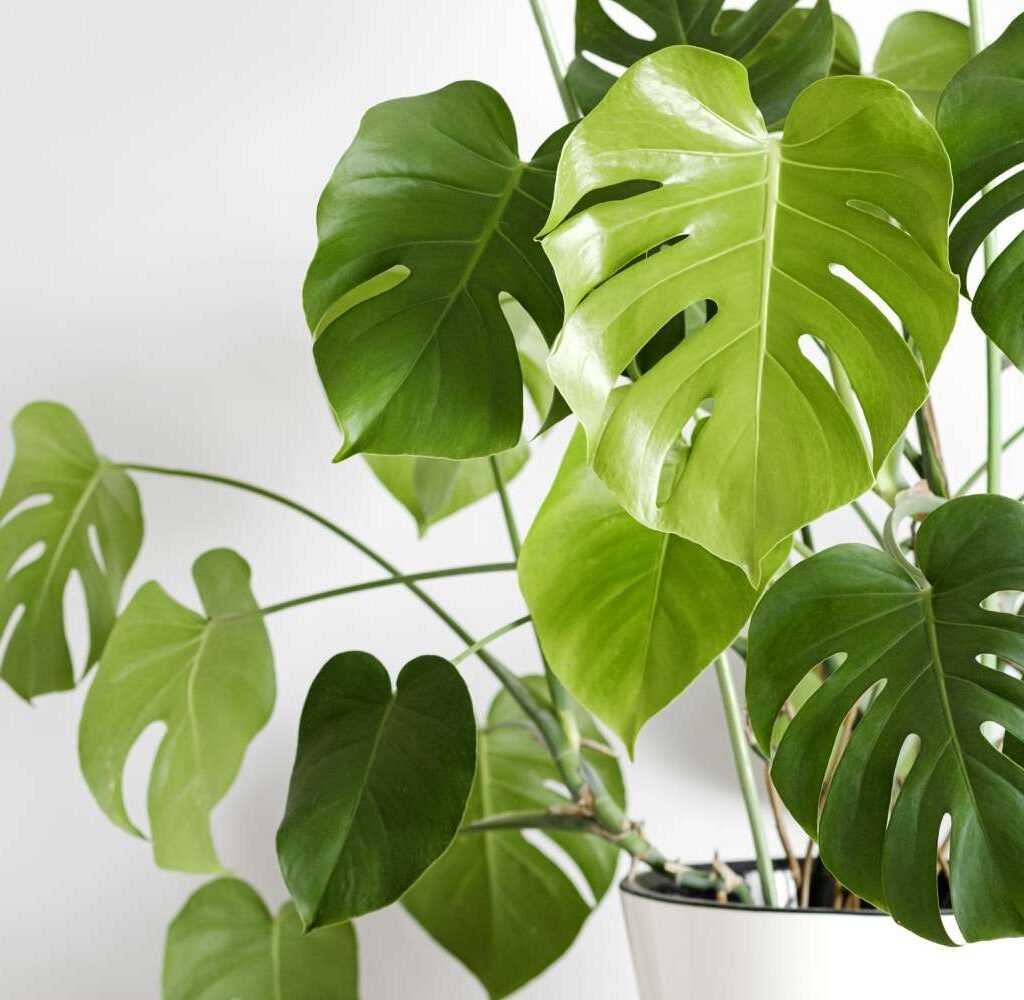
Watering mistakes are one of the most common beginner problems.
- Frequency: Water when the top 2 inches of soil feel dry. This is usually once a week in summer and every 10–14 days in winter.
- Method: Water thoroughly until water drains from the bottom of the pot, then discard excess.
- Signs of overwatering: Yellow leaves, soggy soil, or root rot.
- Signs of underwatering: Crispy brown edges and droopy leaves.
Consistency is key—Monsteras prefer even moisture, not extremes.
Fertilizing for Healthy Growth
Monsteras are relatively fast growers and benefit from extra nutrients during the growing season.
- Fertilizer type: Use a balanced, water-soluble houseplant fertilizer (e.g., 20-20-20).
- Frequency: Feed every 4–6 weeks in spring and summer. Reduce or stop fertilizing in fall and winter when growth slows.
- Tip: Over-fertilizing can burn roots. Always follow instructions on the fertilizer label.
Pruning and Training
Monsteras can grow quite large indoors, so pruning and training help keep them manageable and attractive.

- Pruning: Trim back leggy stems or damaged leaves with clean scissors. This encourages fuller growth.
- Support: Provide a moss pole or trellis as Monsteras are natural climbers. They’ll attach aerial roots for support.
- Propagation: Cuttings from pruned stems with nodes can be rooted in water or soil to grow new plants.
This not only keeps your Monstera in shape but also allows you to share plants with friends.
Repotting Monsteras
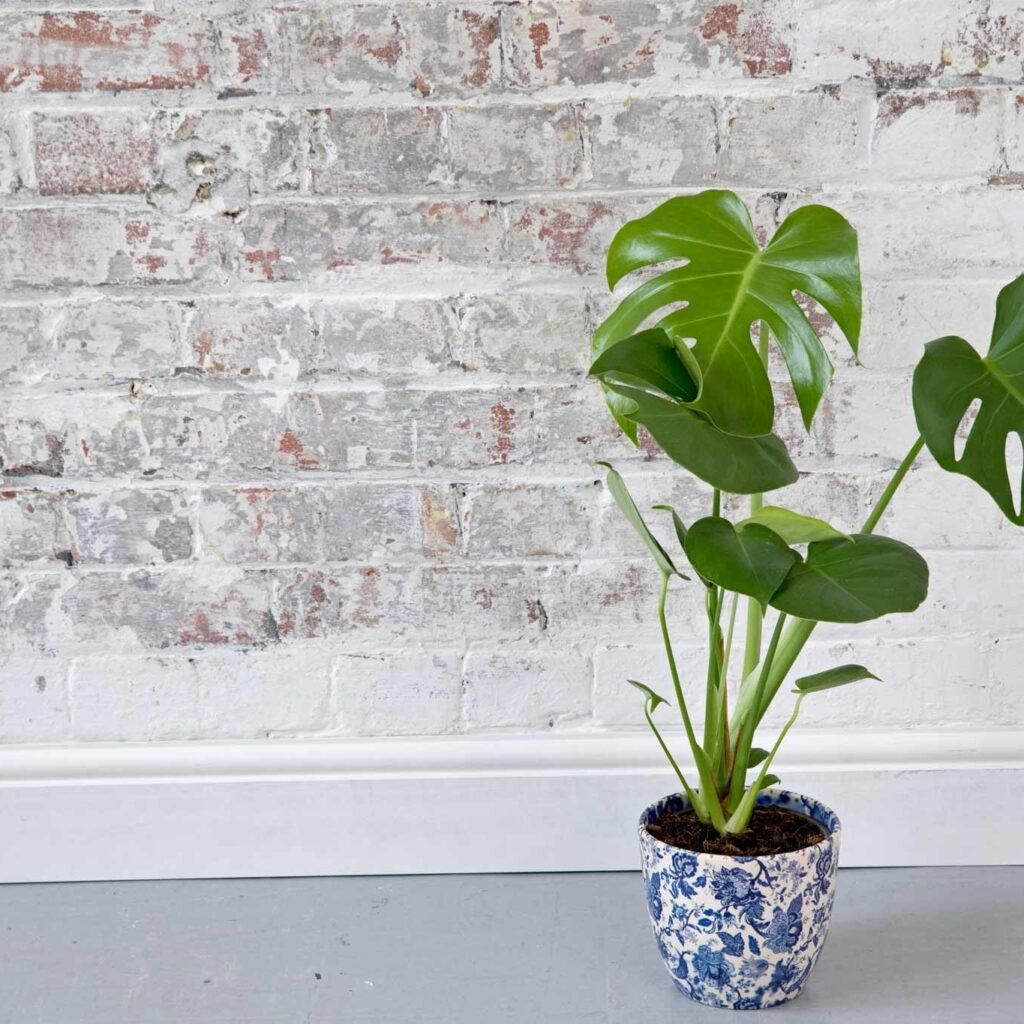
As Monsteras grow, they outgrow their pots.
- When to repot: Every 2–3 years or when roots peek out of drainage holes.
- Pot size: Choose a pot 2–3 inches larger in diameter than the old one.
- Repotting benefits: Provides fresh soil and space for healthy growth.
Common Problems and Solutions
Even with good care, Monsteras may face some issues. Here’s how to handle them:
- Yellowing leaves
- Cause: Overwatering or poor drainage.
- Fix: Check soil moisture, improve drainage, reduce watering.
- Brown leaf tips or edges
- Cause: Low humidity or underwatering.
- Fix: Increase humidity with a humidifier or misting.
- Slow or no leaf splitting
- Cause: Insufficient light.
- Fix: Move to a brighter, indirect light spot.
- Pests (spider mites, scale, mealybugs)
- Fix: Wipe leaves with neem oil or insecticidal soap. Regular leaf cleaning prevents infestations.
Seasonal Care Tips
- Spring/Summer: Active growth season—water more often, fertilize monthly, and consider repotting if needed.
- Fall/Winter: Growth slows—reduce watering, pause fertilizing, and protect from cold drafts.
Decorating with Monsteras
Beyond care, Monsteras are fantastic decor plants:

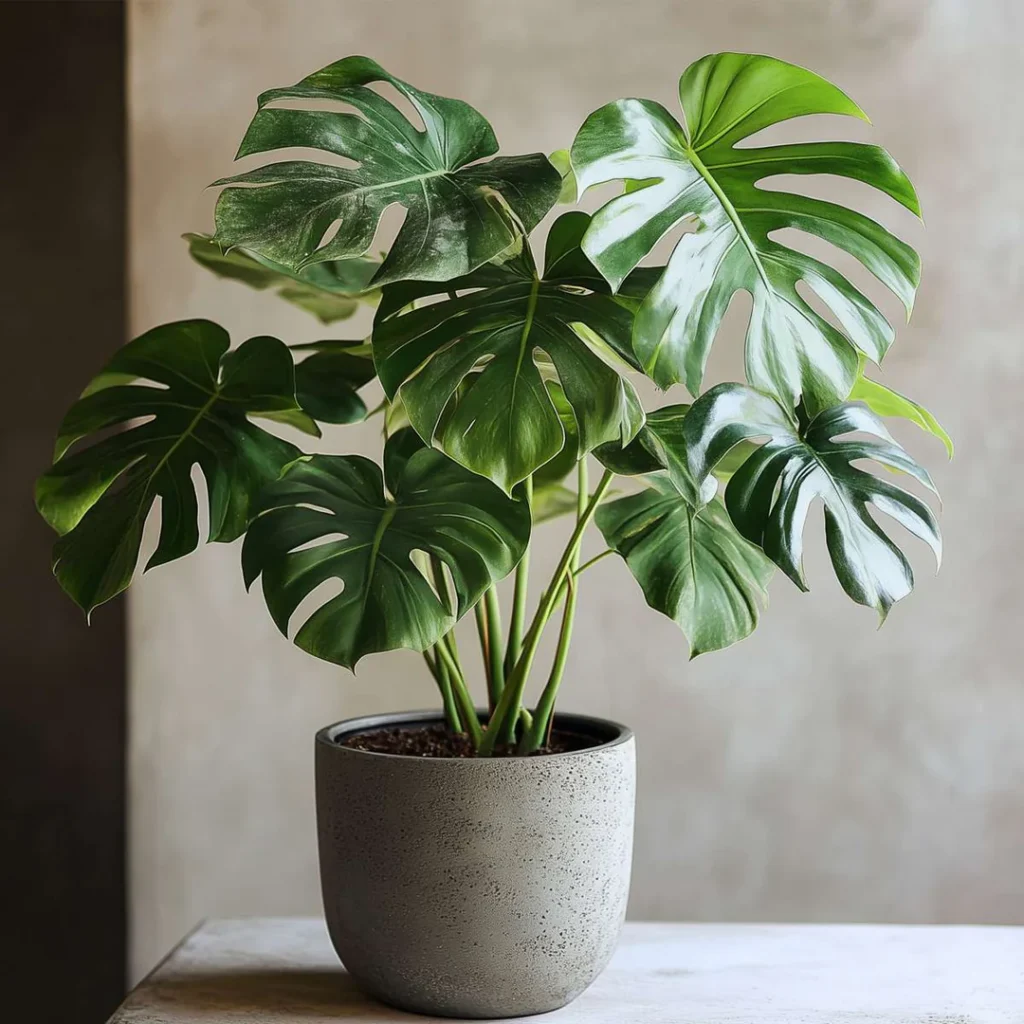
- Place them in stylish planters to match your interior theme.
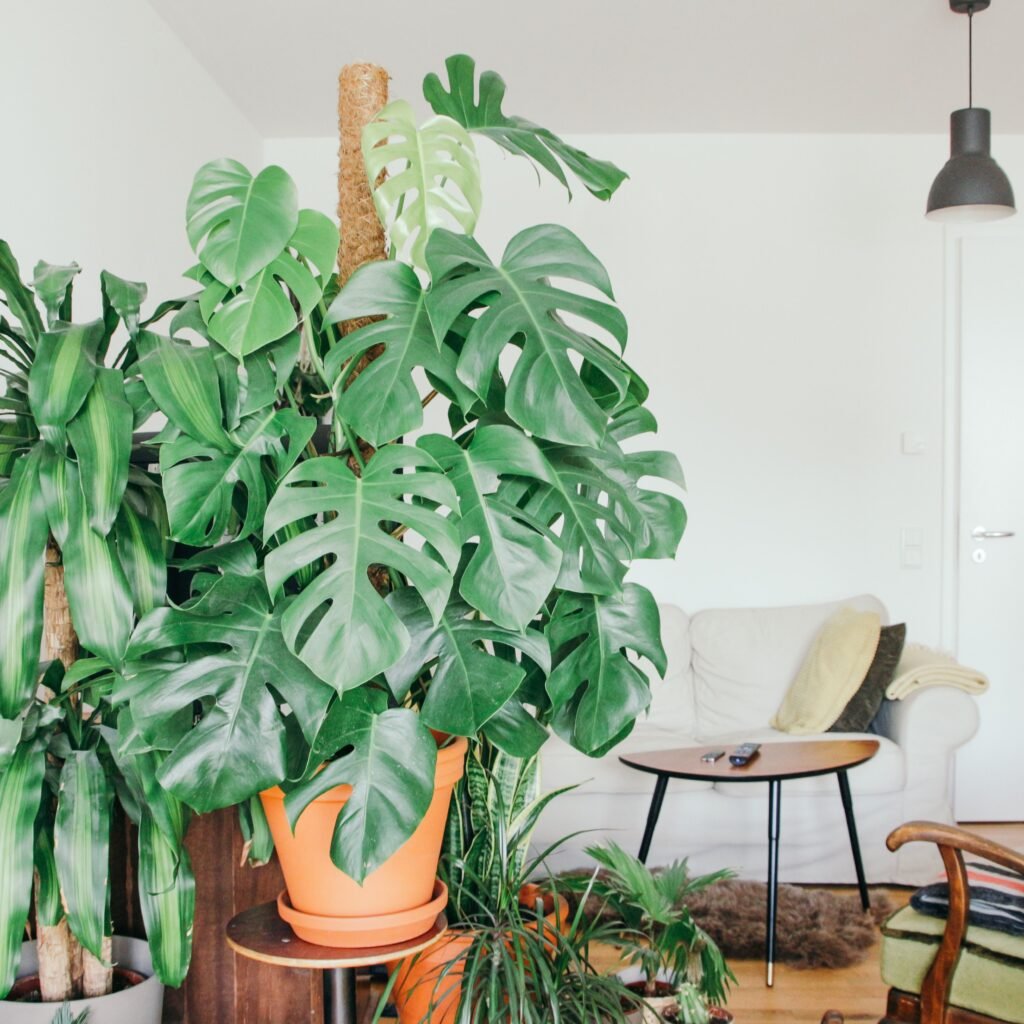
- Use large Monsteras as statement plants in living rooms.
- Pair with smaller plants like pothos or ferns for a lush jungle corner.
Their bold leaves instantly brighten indoor spaces and create a refreshing, natural feel.
Final Thoughts
Caring for a Monstera indoors doesn’t have to be complicated. By giving it bright, indirect light, well-draining soil, consistent watering, and occasional feeding, your plant will reward you with lush, iconic foliage. For beginners, it’s one of the most forgiving houseplants to learn with, making it a perfect choice to start your indoor gardening journey.
With a little attention and love, your Monstera will not only thrive but also transform your home into a vibrant, tropical haven.


Leave A Comment