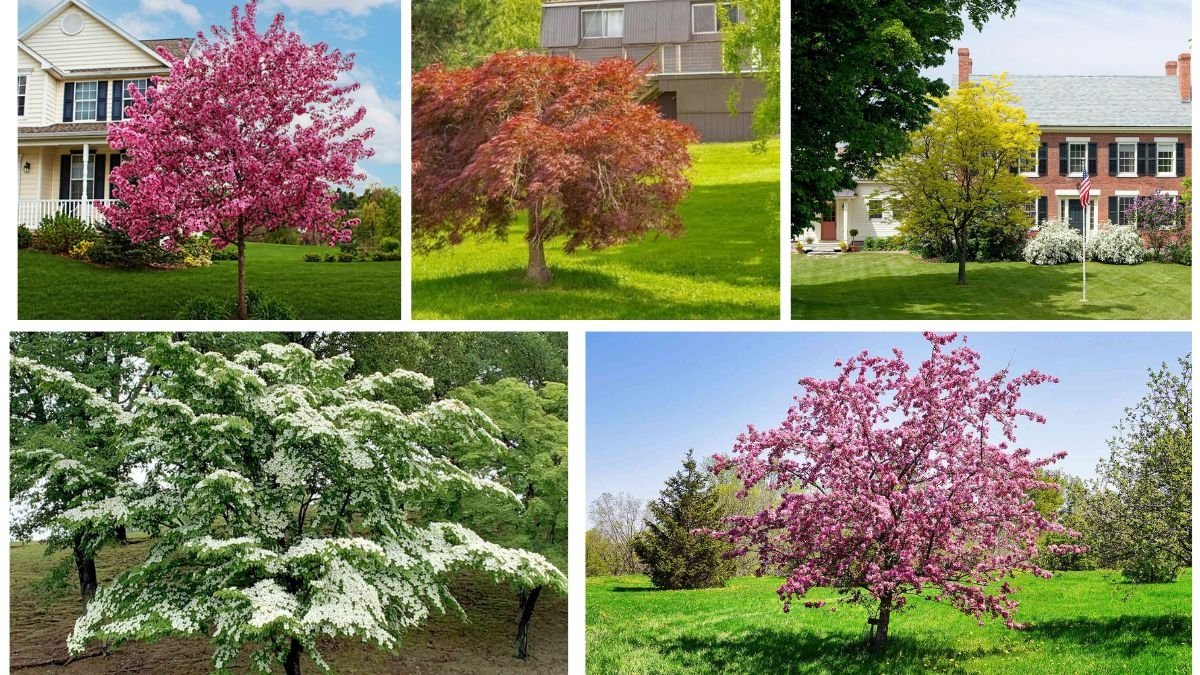
A front yard is more than just the entrance to your home—it’s the first impression you make on visitors, neighbors, and even yourself each time you return. While flowers and shrubs provide seasonal beauty, small trees bring structure, shade, and year-round charm to the landscape. The right tree can add curb appeal, provide shade in summer, and even frame your house beautifully without overwhelming the space.
But choosing the right small tree for your front yard requires thoughtful consideration. From size and shape to climate compatibility and maintenance, there are several factors to keep in mind. This guide walks you through how to select the perfect tree for your space, along with recommended varieties that combine beauty and practicality.
Why Choose a Small Tree for the Front Yard?
Front yards often have limited space compared to backyards, and planting a towering tree can overshadow the house, damage sidewalks with roots, or block sunlight. Small trees—typically under 20 feet tall—are the ideal compromise. They:
- Fit Well in Smaller Spaces: Their compact size makes them proportionate to most houses and landscapes.
- Enhance Curb Appeal: They frame walkways, porches, or entryways without cluttering the design.
- Provide Seasonal Interest: Many small trees flower in spring, bear fruit in summer, and display colorful foliage in fall.
- Easier to Maintain: Pruning, watering, and harvesting are manageable compared to large trees.
Factors to Consider Before Choosing a Small Tree
Picking the right tree involves more than just selecting one that looks beautiful. Here are key factors to weigh:
1. Climate and Hardiness Zone
Not every tree grows well in every climate. Check your USDA hardiness zone (or regional equivalent) to choose species that thrive in your weather conditions. For instance, citrus trees suit warmer zones, while dogwoods or crabapples thrive in temperate regions.
2. Available Space
Measure the area where the tree will be planted. Think about:
- Distance from the house, driveway, or walkway.
- Mature spread of the tree’s canopy.
- Root spread, especially if near pavement or foundations.
3. Sunlight and Soil Conditions
Some trees need full sun, while others tolerate partial shade. Soil drainage, pH, and fertility also play crucial roles. Test your soil before planting to match the right tree to your conditions.
4. Desired Features
Decide what role you want the tree to play:
- Flowering beauty (e.g., Japanese cherry, dogwood).
- Fruit production (e.g., dwarf apple, crabapple).
- Evergreen foliage (e.g., bay laurel, dwarf conifer).
- Fall color (e.g., Japanese maple, redbud).
5. Maintenance Requirements
Some trees require regular pruning, pest management, or leaf cleanup. If you want low-maintenance landscaping, choose resilient species that need little intervention.
Best Small Trees for Front Yards
Here are some tried-and-true small trees that balance size, beauty, and functionality in front yard landscapes:
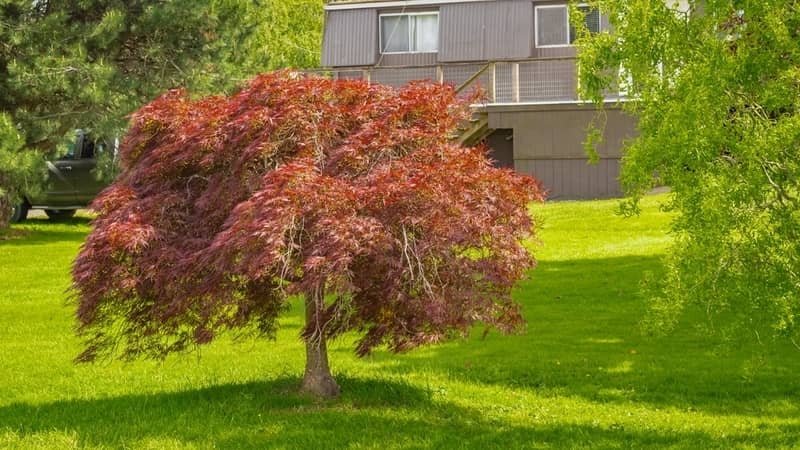
1. Japanese Maple (Acer palmatum)
- Height/Spread: 10–15 feet
- Why It Works: Delicate, lacy leaves and stunning seasonal color—from vibrant green in spring to fiery red or orange in fall.
- Care Needs: Prefers partial shade and moist, well-drained soil. Ideal for adding elegance near entryways.
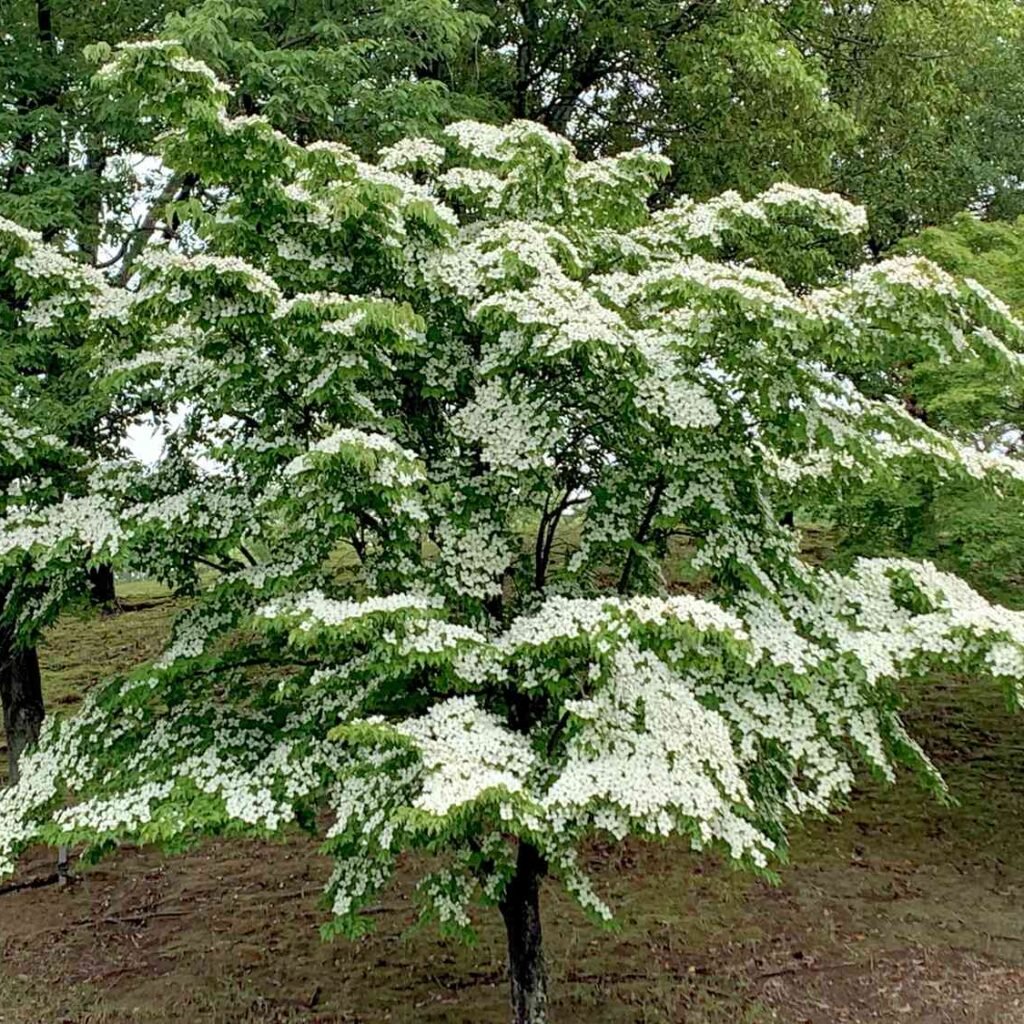
2. Flowering Dogwood (Cornus florida)
- Height/Spread: 15–20 feet
- Why It Works: Gorgeous spring blossoms in white or pink, summer greenery, and red berries in fall.
- Care Needs: Thrives in partial shade and rich, well-draining soil. Offers year-round appeal with winter bark texture.
3. Crape Myrtle (Lagerstroemia indica dwarf varieties)
- Height/Spread: 12–15 feet
- Why It Works: Produces vibrant clusters of pink, purple, red, or white blooms that last all summer. Attractive bark and fall foliage add extra charm.
- Care Needs: Requires full sun and tolerates heat and drought, making it ideal for warmer climates.
4. Star Magnolia (Magnolia stellata)
- Height/Spread: 10–15 feet
- Why It Works: Early-spring star-shaped flowers bloom before leaves appear, offering dramatic beauty.
- Care Needs: Prefers full sun to partial shade and moist, slightly acidic soil.
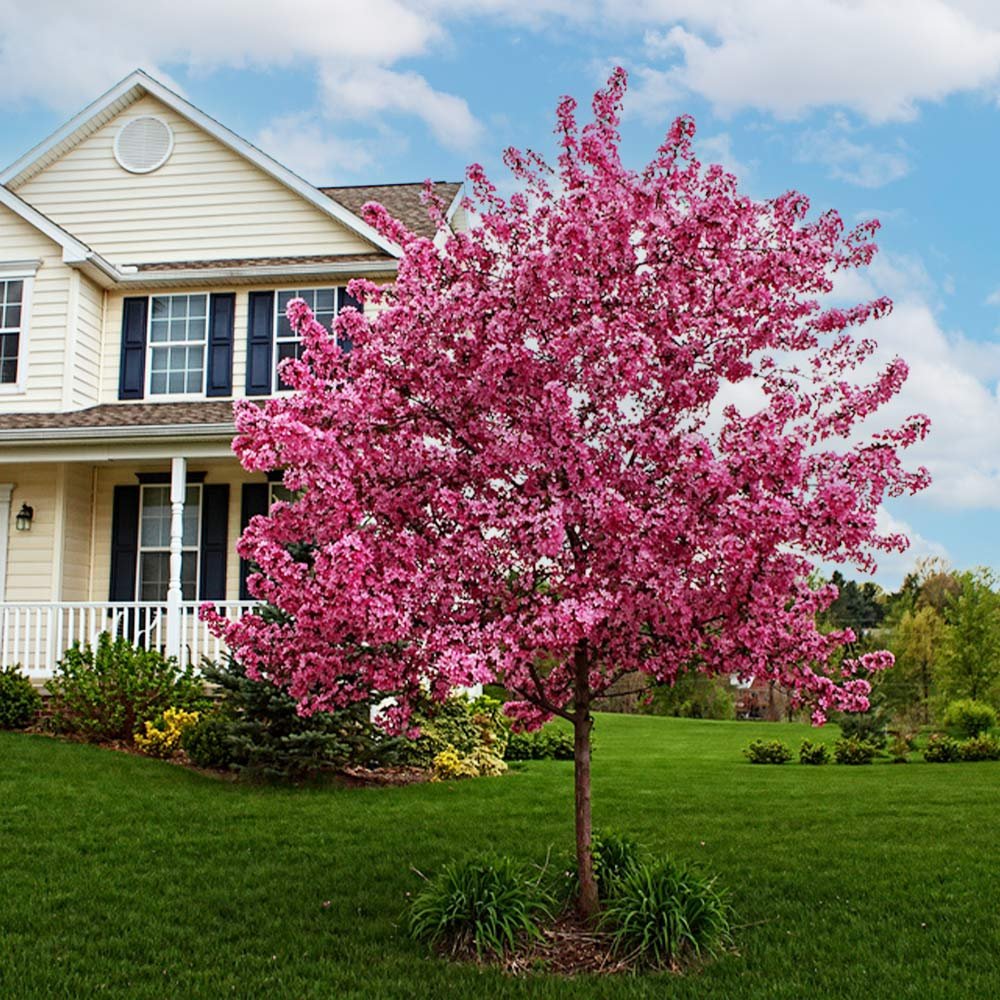
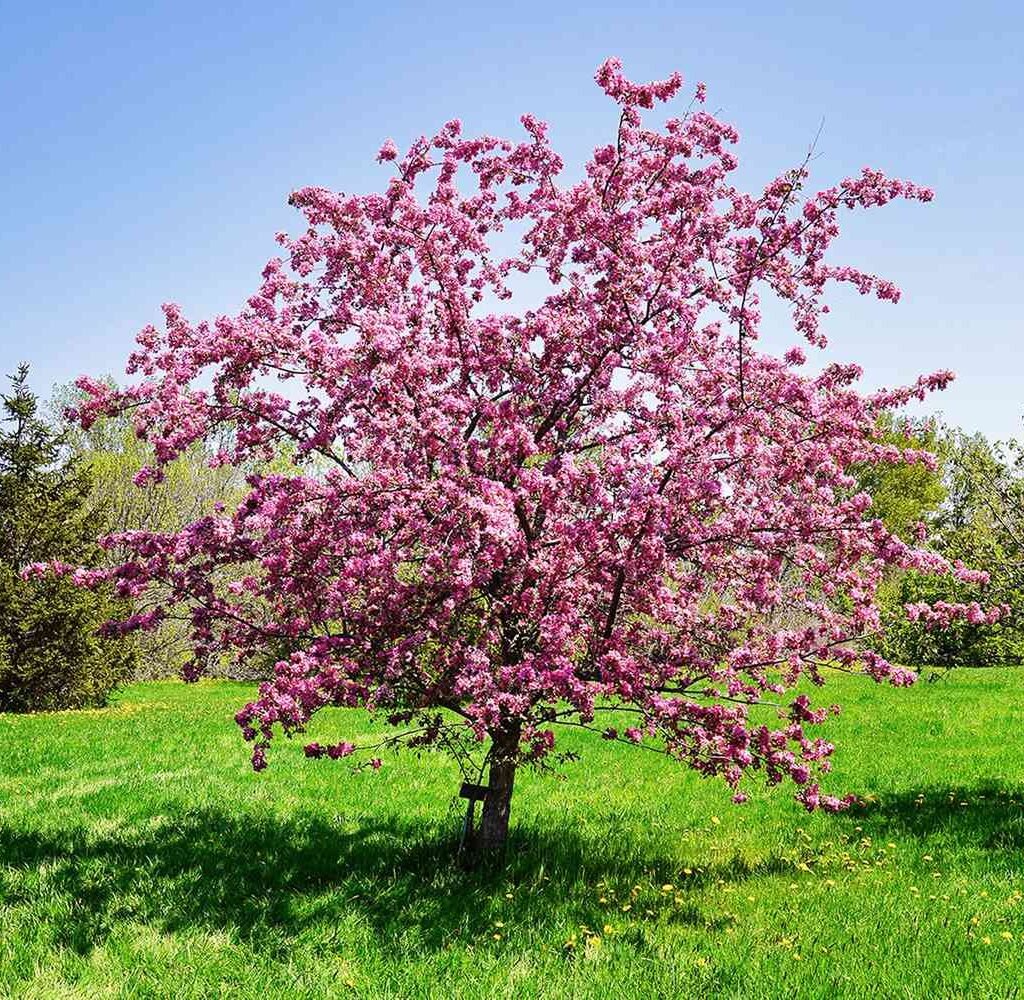
5. Dwarf Apple or Crabapple (Malus spp.)
- Height/Spread: 10–15 feet
- Why It Works: In spring, the tree bursts into fragrant pink or white blossoms, followed by small fruits that attract birds or can be harvested.
- Care Needs: Requires full sun and well-drained soil. Some crabapple varieties also offer fall color.
6. Eastern Redbud (Cercis canadensis)
- Height/Spread: 15–20 feet
- Why It Works: Known for its heart-shaped leaves and striking pink-purple flowers that bloom along branches in early spring.
- Care Needs: Tolerates a variety of soils and grows best in full sun to partial shade.
7. Olive Tree (Olea europaea dwarf varieties)
- Height/Spread: 8–12 feet
- Why It Works: Evergreen silver-green leaves and gnarled trunk create a Mediterranean feel. Can also bear fruit in warm climates.
- Care Needs: Prefers full sun and well-drained soil. Works well in containers if winters are cold.
8. Serviceberry (Amelanchier spp.)
- Height/Spread: 10–15 feet
- Why It Works: Multi-season beauty—white blossoms in spring, edible berries in summer, and vibrant red-orange leaves in fall.
- Care Needs: Grows in full sun to partial shade and adapts to various soil types.
9. Hawthorn (Crataegus laevigata ‘Paul’s Scarlet’ dwarf)
- Height/Spread: 12–15 feet
- Why It Works: Double-pink blossoms in spring, glossy summer leaves, and clusters of red berries in autumn.
- Care Needs: Hardy and low-maintenance. Thrives in full sun.
10. Bay Laurel (Laurus nobilis)
- Height/Spread: 6–12 feet (container or ground)
- Why It Works: Evergreen foliage, aromatic leaves for cooking, and neat, tidy form. Can be shaped into topiary.
- Care Needs: Requires full sun and good drainage. Ideal for Mediterranean-style landscapes.
Practical Design Tips for Front Yard Trees
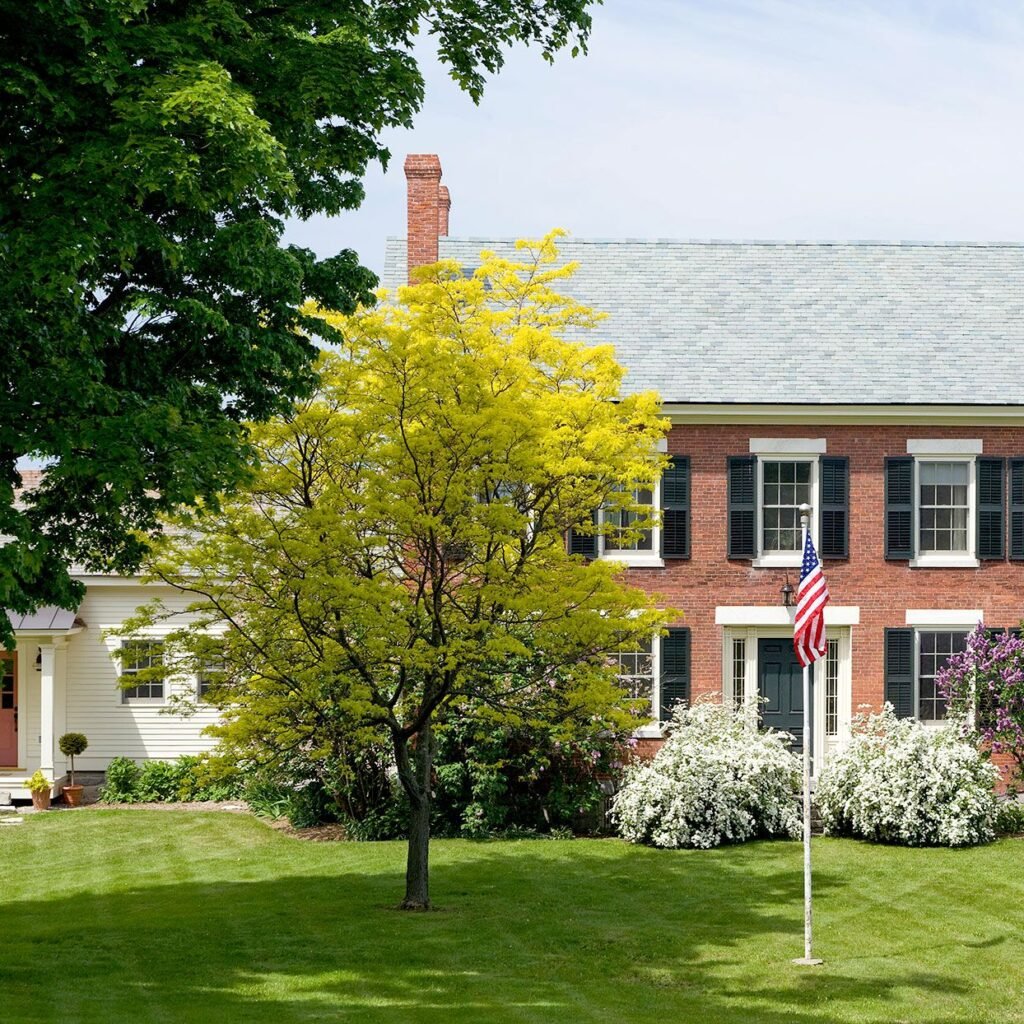
- Balance Proportion: A tree should complement the size of your house. Avoid planting even small trees too close to the facade, where they may overwhelm windows or porches.
- Frame Entryways: Place small trees symmetrically on either side of walkways or steps for a welcoming effect.
- Choose Multi-Season Beauty: Pick species that offer blossoms, fruits, or fall foliage to ensure year-round interest.
- Mix with Shrubs and Flowers: Layer plantings around your small tree with perennials, ground covers, or low shrubs for a complete look.
- Think Long-Term: Consider how the tree will look in 5–10 years. A tree that looks perfect when young may outgrow the space if not chosen carefully.
Step-by-Step Guide to Planting a Small Tree in the Front Yard
- Plan the Location: Mark a spot where the mature tree won’t interfere with walkways, driveways, or power lines.
- Prepare the Hole: Dig twice as wide as the root ball but only as deep as it. This allows roots to spread outward easily.
- Plant Carefully: Place the tree so the top of the root ball sits level with the ground. Backfill with soil, gently firming it down.
- Water Deeply: Water thoroughly to settle the soil and eliminate air pockets.
- Mulch Around Base: Apply 2–3 inches of mulch around the tree, keeping it away from the trunk to prevent rot.
- Stake if Necessary: Young trees may need staking for stability until roots establish.
- Ongoing Care: Water regularly during the first year, prune lightly to shape, and fertilize in spring as needed.
Common Mistakes to Avoid
- Planting Too Close to Structures: Roots and branches may cause damage as the tree matures.
- Ignoring Mature Size: Even small trees can spread more widely than expected.
- Overwatering or Poor Drainage: Many ornamental trees dislike soggy soil.
- Neglecting Sunlight Needs: A sun-loving tree won’t thrive in shade, and vice versa.
- Skipping Pruning: Without regular shaping, even small trees can grow awkwardly or densely.
Conclusion
A well-chosen small tree can transform your front yard into a welcoming, stylish, and vibrant space. By considering factors like climate, available space, soil type, and desired features, you can pick a tree that not only fits but also enhances your landscape for years to come. Whether it’s the fiery foliage of a Japanese maple, the blossoms of a dogwood, or the evergreen charm of a bay laurel, small trees prove that you don’t need towering giants to make a big impact.
Thoughtful planning and care ensure your chosen tree thrives, bringing beauty, structure, and curb appeal to your front yard season after season.

Leave A Comment