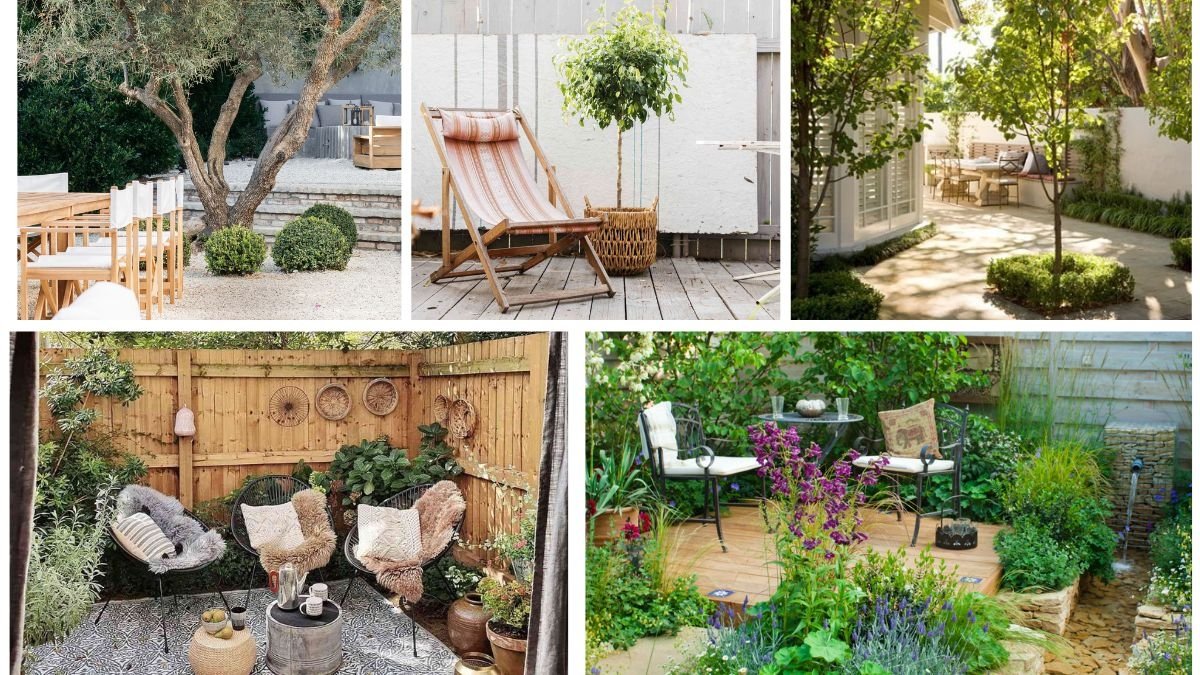
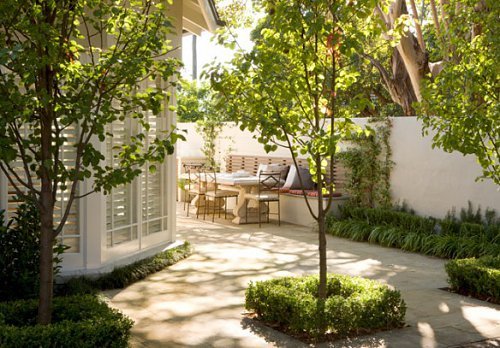
Urban living often comes with limited outdoor areas, yet that does not mean you have to sacrifice greenery and the joy of having trees around. Compact trees—small in stature but big in beauty—are perfect for balconies, patios, and small courtyards. Unlike large shade trees that demand space, compact varieties are specially suited for container growth or small ground spots, providing shade, blooms, fruits, or ornamental appeal without overwhelming the area.
This article explores the best compact trees for balcony and patio spaces, along with growing tips, container care, and design ideas to help you create a vibrant mini garden right outside your door.
Why Choose Compact Trees for Small Spaces?
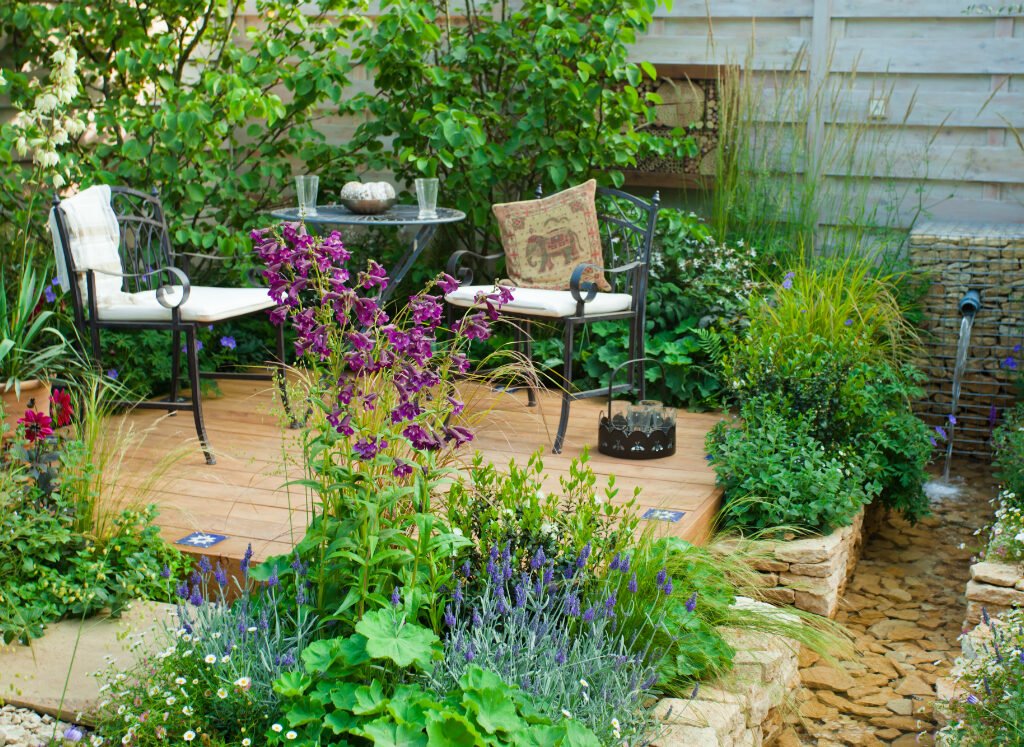
Before diving into specific tree choices, it is worth understanding why compact trees are ideal for balconies and patios:
- Manageable Size – They typically grow between 4 to 12 feet, making them perfect for containers or small ground areas.
- Versatile Design Options – Their varied forms—columnar, dwarf, or bushy—fit into different design styles, from modern minimalist to cottage-inspired.
- Multi-Purpose Benefits – Many compact trees offer flowers, fruits, foliage, and even fragrance, giving more value for limited space.
- Container-Friendly Growth – With proper pruning and repotting, they thrive in pots without invasive roots damaging the patio or balcony structure.
Best Compact Trees for Balcony and Patio Spaces
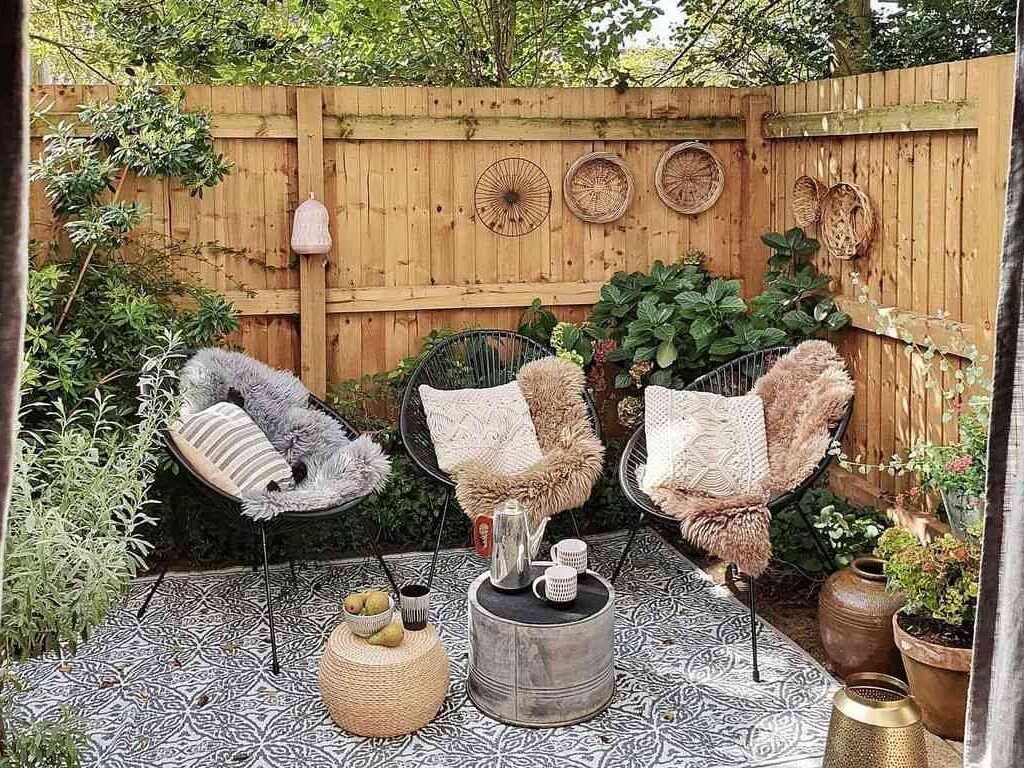
Here are some excellent options that balance beauty, practicality, and adaptability:
1. Dwarf Citrus Trees (Lemon, Lime, Orange)
Citrus trees are among the most popular compact trees for balconies and patios. Dwarf varieties like Meyer Lemon or Calamondin Orange stay between 4–6 feet tall when container-grown.
- Why Choose Them? They provide glossy evergreen leaves, fragrant blossoms, and delicious fruits.
- Growing Tips: Place them in full sun, water consistently, and fertilize monthly during the growing season. In colder climates, bring them indoors during winter.
2. Japanese Maple (Acer palmatum ‘Dissectum’ or ‘Bloodgood’)
Japanese Maples are admired for their finely cut foliage and stunning seasonal colors. Compact cultivars such as ‘Crimson Queen’ or ‘Red Dragon’ remain around 6–8 feet tall, making them patio-friendly.
- Why Choose Them? They add a touch of elegance with vibrant red, purple, or golden leaves that change across seasons.
- Growing Tips: Prefer partial shade, well-draining soil, and protection from strong winds. Avoid intense afternoon sun in hot climates.
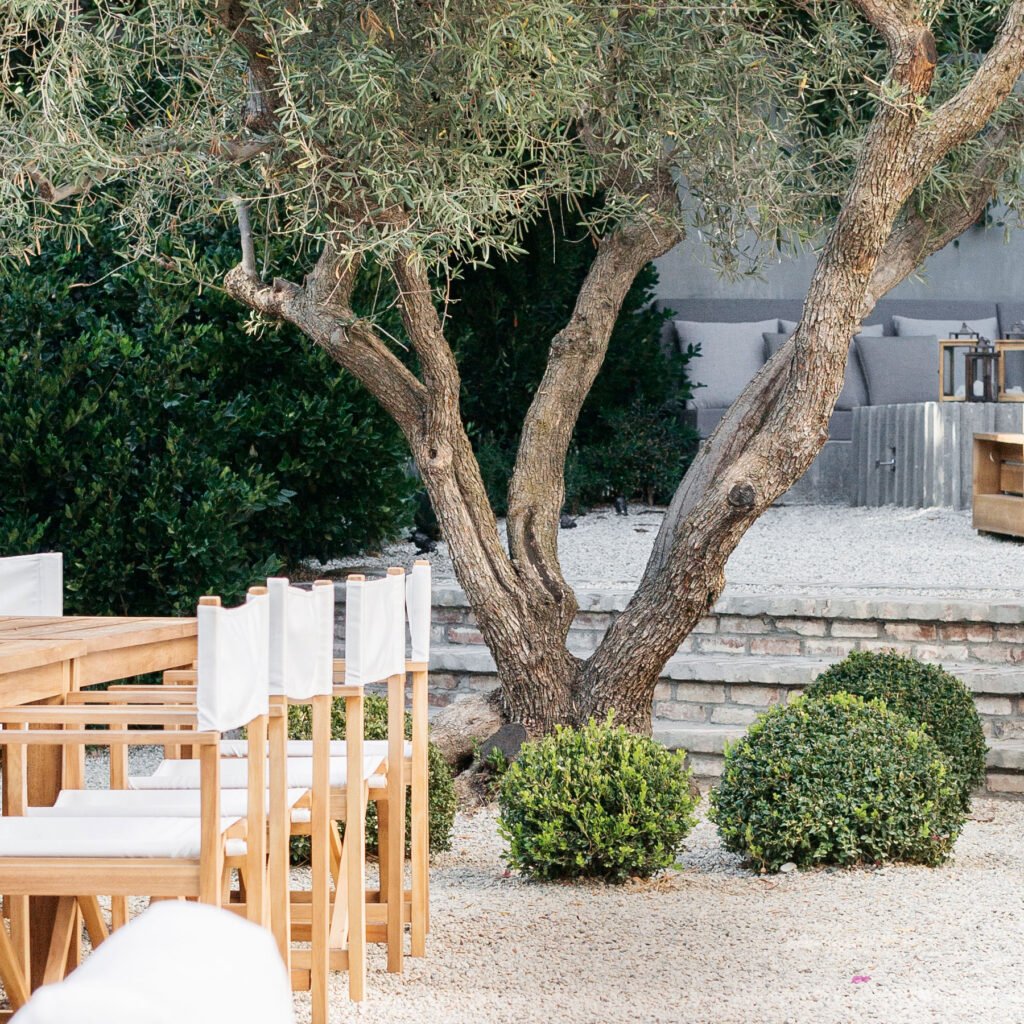
3. Olive Tree (Olea europaea)
A classic Mediterranean favorite, olive trees bring a rustic charm to small spaces. Dwarf olive varieties grow well in containers and typically reach 6–10 feet.
- Why Choose Them? Their silvery-gray foliage and textured bark add timeless beauty. They can also bear fruit under the right conditions.
- Growing Tips: Provide full sun, minimal watering once established, and ensure excellent drainage. Prune lightly to maintain a compact shape.
4. Dwarf Pomegranate (Punica granatum ‘Nana’)
This compact fruit tree is perfect for patios and small gardens, often growing only 3–4 feet tall.
- Why Choose Them? They offer bright red flowers, ornamental small fruits, and year-round appeal.
- Growing Tips: Loves warm climates and thrives in full sun. Water regularly during fruiting but allow the soil to dry slightly between waterings.
5. Camellia Trees
Compact camellia varieties bring glossy leaves and large rose-like flowers that bloom in winter or spring. Dwarf hybrids such as ‘Camellia sasanqua’ are container favorites.
- Why Choose Them? Perfect for adding color in colder months when few other trees bloom.
- Growing Tips: Prefer acidic, well-drained soil and partial shade. Keep evenly moist, avoiding soggy soil.
6. Crepe Myrtle (Lagerstroemia indica dwarf varieties)
Compact crepe myrtles like ‘Pixie White’ or ‘Delta Blush’ grow around 5–8 feet tall, making them excellent for patios.
- Why Choose Them? They boast vibrant summer flowers in shades of pink, white, purple, or red, followed by attractive bark in winter.
- Growing Tips: Require full sun and minimal maintenance. Prune lightly to control shape and encourage blooms.
7. Bay Laurel (Laurus nobilis)
This evergreen tree doubles as a culinary delight. Grown in pots, bay laurels remain compact and can be pruned into neat topiary shapes.
- Why Choose Them? Fragrant leaves for cooking, evergreen foliage, and easy maintenance.
- Growing Tips: Provide full sun to partial shade, water moderately, and prune regularly to maintain shape.
8. Dwarf Conifers (Junipers, Spruces, Cedars)
Many dwarf conifers grow only a few feet tall and stay compact for years. Varieties like Dwarf Alberta Spruce are excellent for patios and balconies.
- Why Choose Them? Provide year-round greenery, structure, and a sculptural look.
- Growing Tips: Full sun, well-drained soil, and occasional trimming to maintain shape.
9. Star Magnolia (Magnolia stellata)
Unlike large magnolias, the star magnolia is a compact species growing 6–10 feet tall. It produces showy, star-shaped flowers in spring.
- Why Choose Them? Early blooms bring fragrance and charm even before leaves appear.
- Growing Tips: Prefer full sun to partial shade and moist, well-drained soil. Protect from harsh winds to preserve delicate blossoms.
10. Japanese Black Pine (Pinus thunbergii dwarf varieties)
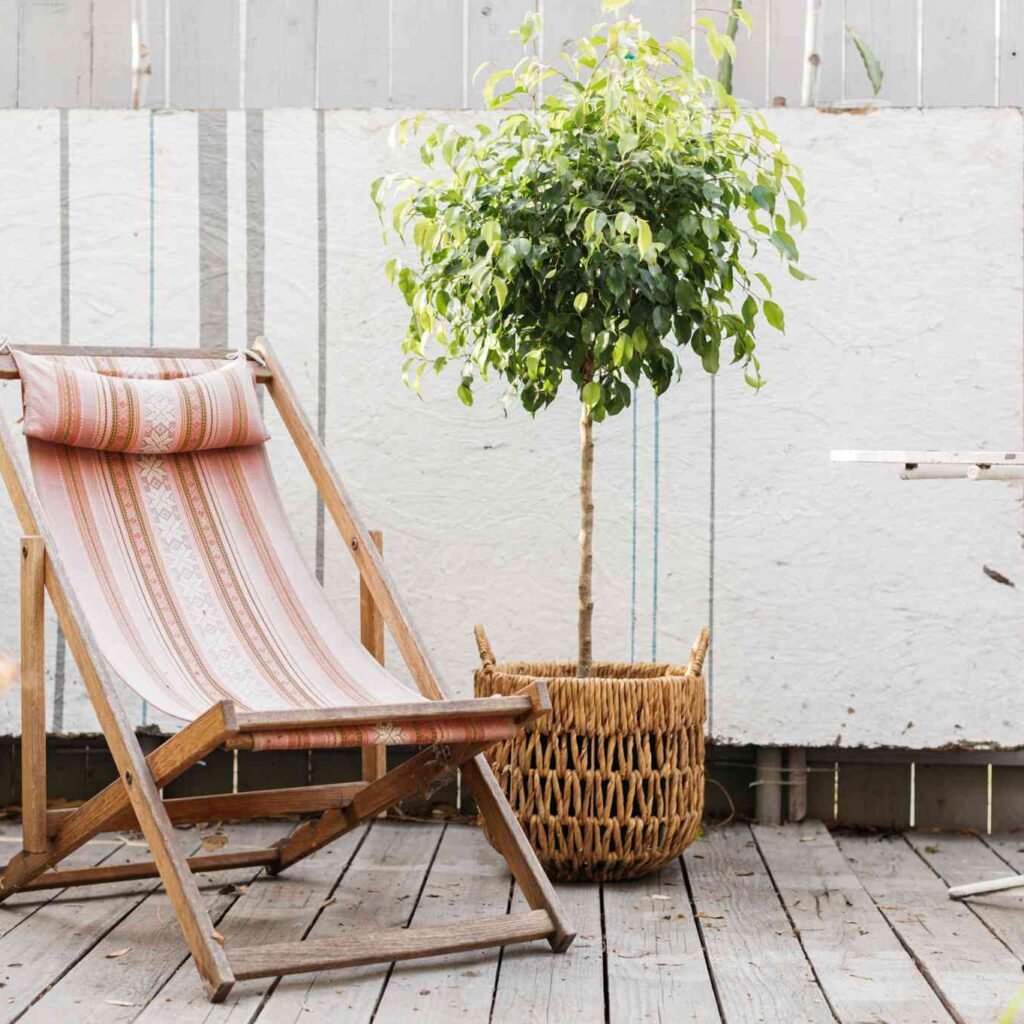
These compact evergreens, often grown in containers or trained as bonsai, bring a Zen-like feel to patios.
- Why Choose Them? Ideal for minimalist or Japanese-style gardens, with textured bark and graceful needles.
- Growing Tips: Thrive in full sun, tolerate coastal conditions, and require occasional pruning.
Container Care for Compact Trees
Since many balcony and patio trees grow in pots, container care is crucial for long-term health.
- Choose the Right Container – Opt for large, sturdy pots with drainage holes. Materials like ceramic, fiberglass, or terracotta are excellent.
- Use High-Quality Potting Mix – Regular garden soil is too heavy; instead, use lightweight, well-draining potting mix enriched with compost.
- Watering Needs – Container trees dry out faster than ground-planted ones. Check soil moisture regularly and adjust based on weather.
- Fertilization – Compact trees need feeding during their growing season. Use slow-release fertilizer or liquid feed every 4–6 weeks.
- Repotting and Root Pruning – Every 2–3 years, repot trees to refresh soil and prune roots to prevent overcrowding.
Design Ideas for Balcony and Patio Trees
Beyond simply growing trees, thoughtful design can maximize their visual and functional impact:
- Create Focal Points: Place a striking Japanese Maple or Olive tree in the center as the main attraction.
- Cluster in Groups: Use 2–3 smaller trees like dwarf citrus and bay laurel for layered height and variety.
- Match Style with Architecture: Sleek conifers suit modern patios, while flowering camellias suit traditional or romantic balconies.
- Combine with Underplanting: Surround tree containers with smaller plants like herbs, succulents, or flowers for a lush look.
- Seasonal Rotation: Add portable flowering trees like star magnolias for seasonal color, switching them out with evergreens for year-round greenery.
Tips for Success with Compact Trees
- Check Weight Limits: Balconies have structural limits, so choose lightweight pots or fiber containers if weight is a concern.
- Ensure Sunlight Access: Most compact trees need at least 4–6 hours of sunlight daily.
- Provide Wind Protection: Tall buildings often create wind tunnels—use screens or group plants together for shelter.
- Prune Regularly: Pruning keeps trees in shape and encourages better flowering or fruiting.
- Monitor for Pests: Container plants are more susceptible to pests like aphids and spider mites; inspect leaves regularly.
Conclusion
Compact trees bring the joy of gardening to even the smallest outdoor spaces, transforming balconies and patios into green sanctuaries. Whether you crave the fragrance of citrus blossoms, the fiery foliage of a Japanese maple, or the Mediterranean charm of an olive tree, there is a compact option to suit every taste. With proper care, these trees not only enhance the aesthetic appeal of your home but also offer practical benefits like shade, fragrance, and fresh fruits.
By thoughtfully selecting and nurturing compact trees, you can create a lush, inviting retreat right outside your door—proof that limited space is no barrier to enjoying the timeless beauty of trees.

Leave A Comment