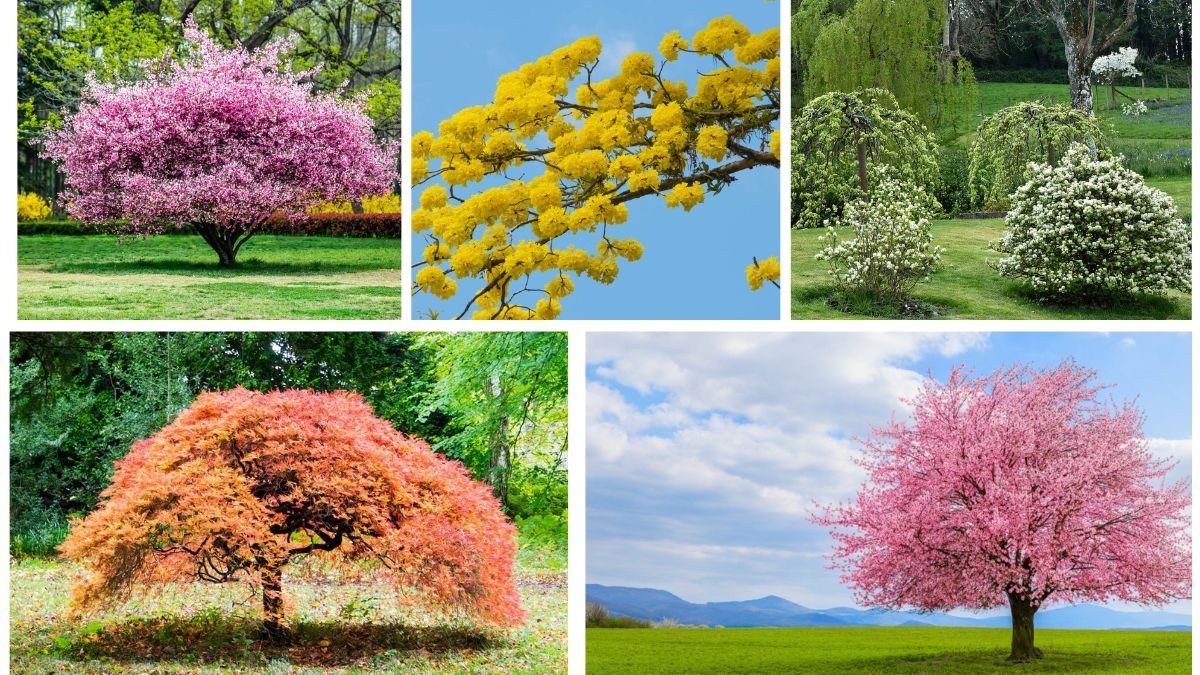
A home garden is not just a place to grow vegetables and flowers—it’s a sanctuary where beauty, serenity, and nature blend seamlessly. Among the many elements that can transform your garden into a truly enchanting space, ornamental trees play a remarkable role. They bring structure, year-round beauty, and in many cases, fragrance, fruit, or seasonal blooms that elevate the charm of your outdoor environment.
For homeowners with limited space, small ornamental trees are the perfect solution. Unlike large shade trees that may dominate the landscape, these compact species fit gracefully into smaller yards, patios, or even container gardens, while still offering striking visual appeal.
In this article, we’ll explore five small ornamental trees that can instantly enhance your home garden, each chosen for their aesthetic value, adaptability, and low-maintenance care requirements.
1. Japanese Maple (Acer palmatum)
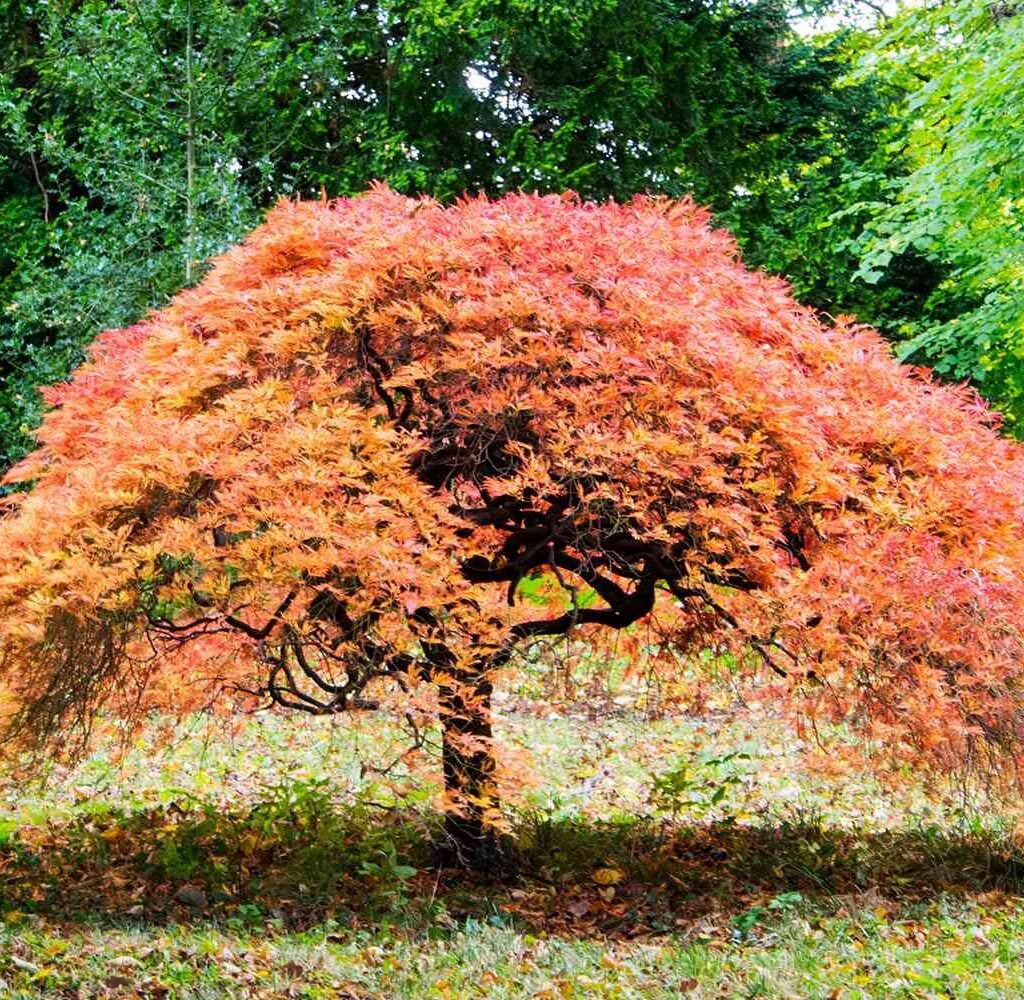
Few ornamental trees capture attention quite like the Japanese Maple, renowned for its delicate, lace-like leaves and striking seasonal colors.
Features:
- Height: Typically grows 10–20 feet tall, making it ideal for smaller spaces.
- Foliage: Known for its vibrant colors—fiery red, deep purple, orange, or even variegated green depending on the variety.
- Seasonal Interest: Provides year-round appeal. Fresh green foliage in spring, brilliant shades in autumn, and unique branching structure in winter.
Why It’s Perfect for Home Gardens:
Japanese Maples thrive in partially shaded areas, making them excellent focal points in courtyards or near entryways. Their compact size ensures they don’t overshadow other garden elements. Many varieties can even be grown in containers, perfect for patios or balconies.
Care Tips:
- Plant in well-draining, slightly acidic soil.
- Protect from harsh afternoon sun to prevent leaf scorch.
- Prune lightly in late winter to shape, but avoid heavy trimming.
If you want elegance and seasonal drama, the Japanese Maple is unmatched.
2. Crape Myrtle (Lagerstroemia indica)
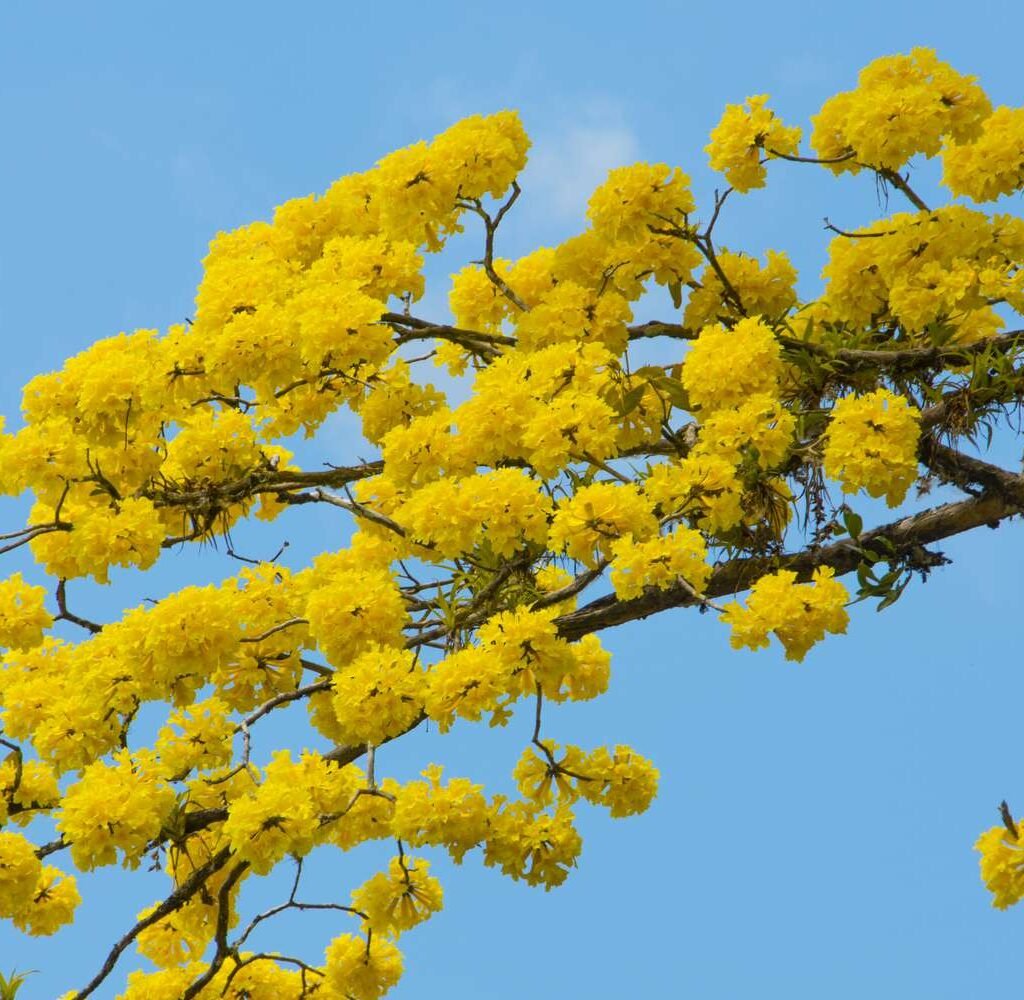
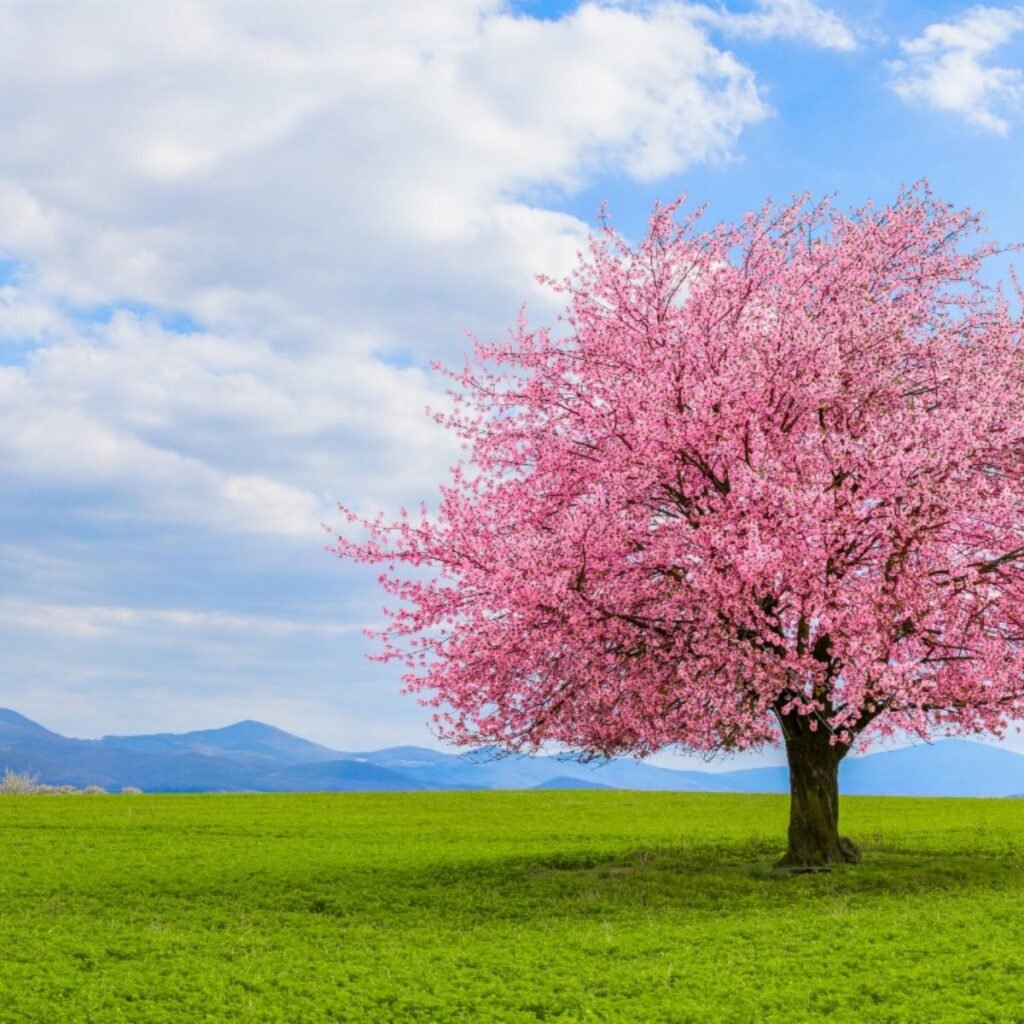
A favorite in warm climates, the Crape Myrtle is adored for its showy summer blooms and multi-seasonal interest.
Features:
- Height: Most dwarf and semi-dwarf varieties stay between 8–15 feet tall.
- Flowers: Produces clusters of pink, purple, red, or white flowers in mid to late summer.
- Bark: Attractive peeling bark reveals smooth, mottled trunks, adding beauty even in winter.
Why It’s Perfect for Home Gardens:
Crape Myrtles provide a long blooming season, often lasting up to 100 days—hence the nickname “the 100-day tree.” Their upright growth habit makes them a lovely centerpiece or border tree.
Care Tips:
- Prefers full sun to maximize flowering.
- Tolerant of heat and drought once established.
- Light pruning in late winter encourages more blooms but avoid “topping” (severe cutting).
For gardeners in warm regions, the Crape Myrtle adds a splash of vibrant color and texture that few trees can match.
3. Flowering Dogwood (Cornus florida)
Symbolizing grace and charm, the Flowering Dogwood is a classic ornamental tree beloved for its stunning seasonal display.
Features:
- Height: Grows 15–25 feet tall, ideal for smaller gardens.
- Flowers: Blooms in spring with large, showy bracts in white, pink, or red.
- Foliage: Lush green leaves turn rich red-purple in autumn.
- Berries: Produces red berries that attract birds.
Why It’s Perfect for Home Gardens:
Flowering Dogwoods are not just ornamental but also wildlife-friendly, making them a great choice for eco-conscious gardeners. Their layered, horizontal branching structure adds elegance to garden landscapes.
Care Tips:
- Best in well-drained, slightly acidic soil.
- Prefers partial shade but can adapt to full sun in cooler climates.
- Requires consistent moisture, especially in dry periods.
If you want a tree that combines beauty, wildlife benefits, and seasonal variation, the Flowering Dogwood is an excellent choice.
4. Dwarf Magnolia (Magnolia stellata or Magnolia ‘Little Gem’)
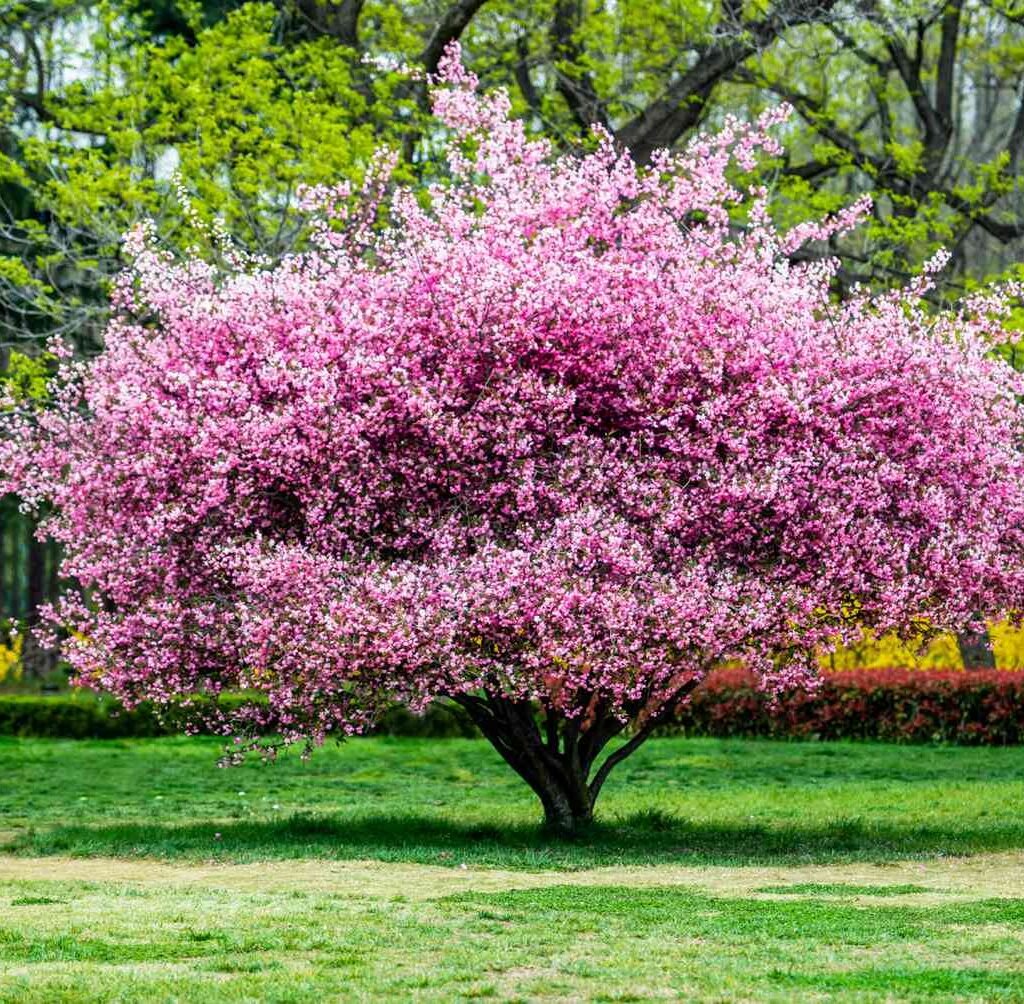
Magnolias are synonymous with grandeur, but dwarf varieties make it possible to enjoy their charm in small spaces.
Features:
- Height: Compact cultivars grow between 8–15 feet.
- Flowers: Star Magnolia (M. stellata) produces white star-shaped blooms in early spring, while ‘Little Gem’ offers creamy, fragrant flowers throughout summer.
- Foliage: Glossy green leaves provide year-round appeal.
Why It’s Perfect for Home Gardens:
Dwarf Magnolias bring the luxurious look of magnolia blooms into smaller landscapes without overwhelming the space. Their fragrant flowers are perfect for gardens where sensory appeal matters.
Care Tips:
- Thrives in full sun to partial shade.
- Needs moist, well-drained soil.
- Minimal pruning required—just remove dead or crossing branches.
A dwarf magnolia is the perfect blend of elegance and practicality for homeowners wanting a touch of southern charm.
5. Redbud (Cercis canadensis)
For a burst of early spring color, the Redbud tree is a standout ornamental.
Features:
- Height: Usually 15–25 feet tall.
- Flowers: Produces masses of pink or magenta pea-like flowers directly on its branches before leaves emerge in spring.
- Foliage: Heart-shaped green leaves turn golden yellow in fall.
Why It’s Perfect for Home Gardens:
Redbuds are incredibly eye-catching in spring when covered in blossoms. Their modest size makes them suitable for smaller yards, and they provide interest from spring through fall.
Care Tips:
- Grows well in full sun to partial shade.
- Tolerates a variety of soils but prefers well-drained conditions.
- Needs occasional pruning to maintain shape and remove dead branches.
With its vibrant blooms and heart-shaped leaves, the Redbud adds both color and romance to your garden design.
Designing with Small Ornamental Trees
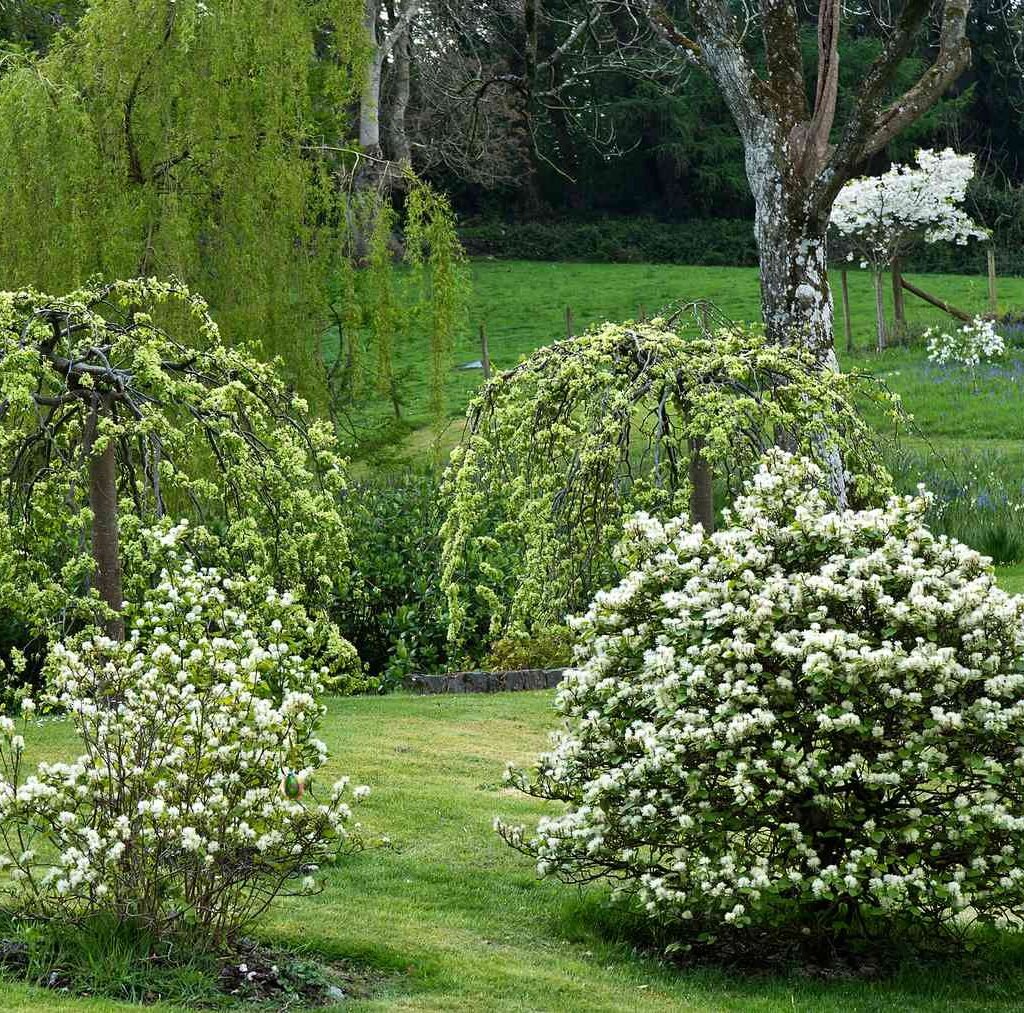
When incorporating these trees into your home garden, keep in mind a few design principles:
- Placement Matters – Position trees as focal points near entrances, patios, or garden pathways to maximize their visual impact.
- Balance and Scale – Choose trees that complement the size of your garden and won’t overcrowd other plants.
- Seasonal Variety – Mix trees with different blooming times, foliage colors, and bark textures for year-round beauty.
- Wildlife Benefits – Opt for trees that also provide nectar, fruit, or shelter for birds and pollinators.
Final Thoughts
Small ornamental trees are nature’s perfect gift for homeowners who want to transform their garden into a serene, stylish, and seasonally vibrant retreat. From the fiery foliage of Japanese Maples to the cascading blooms of Crape Myrtles, each of these trees offers something unique.
By carefully selecting and caring for one—or several—of these trees, you can create a garden that isn’t just beautiful but also inviting, sustainable, and deeply personal.
Enhancing your home garden with ornamental trees is more than landscaping—it’s about crafting a space where you can relax, reconnect with nature, and take pride in every season’s display.

Leave A Comment